
The Infrastructure of Tomorrow
Why Data Centers Matter for Bastrop County
The AI revolution is physical. Here's what that means for our community — answered honestly, with verifiable facts.
What Is a Data Center?
A data center is the physical facility that stores, processes, and transmits the data that powers the modern world. It is the home of the cloud, the backbone of the internet, and the engine of artificial intelligence. Every time you stream a movie, attend a telehealth appointment, check the weather, use GPS navigation, or work remotely, you are relying on a data center.
Inside are thousands of specialized computers called servers, alongside networking equipment, cooling systems, and power infrastructure required to keep them running 24/7/365. They achieve what the industry calls "five nines" uptime — operational 99.999% of the time.
"The buildings that power the modern world."
What Is an AI Data Center?
An AI data center is a specialized facility packed with thousands of high-performance accelerators (GPUs, TPUs, or custom AI chips) purpose-built for training and running giant AI models — the "brains" behind tools like Grok, ChatGPT, image generators, and recommendation engines.
AI is expected to add $15–20 trillion to global GDP by 2030 — comparable to the entire current U.S. economy. These facilities turn electricity and silicon into intelligence, and intelligence is the ultimate multiplier of human progress.
Why Bastrop?
Our proximity to the Austin tech ecosystem (Tesla, SpaceX, xAI) means the AI corridor is already here. Combined with ERCOT grid access, a strategic Central Texas location, and community leadership that negotiated smart deals, Bastrop was chosen over 535 competing sites globally.
Throughout history, new infrastructure has consistently unlocked new eras of prosperity. Railroads in the 19th century. The interstate highway system in the 20th century. Data centers are the essential infrastructure of the 21st century — and Bastrop is positioned at the center.
The Projects
Bastrop County's Data Center Corridor
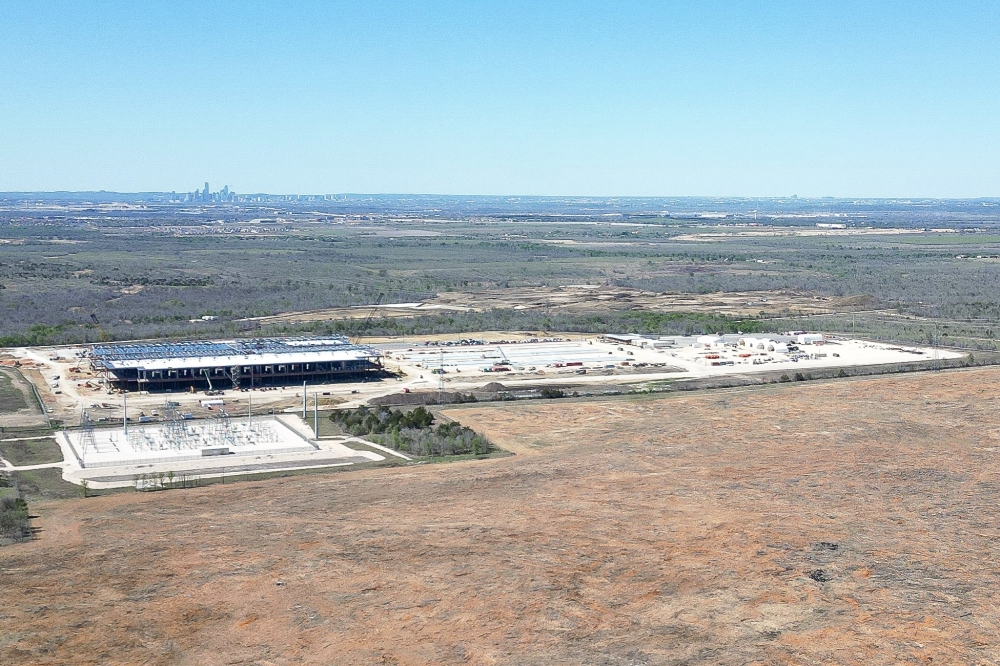
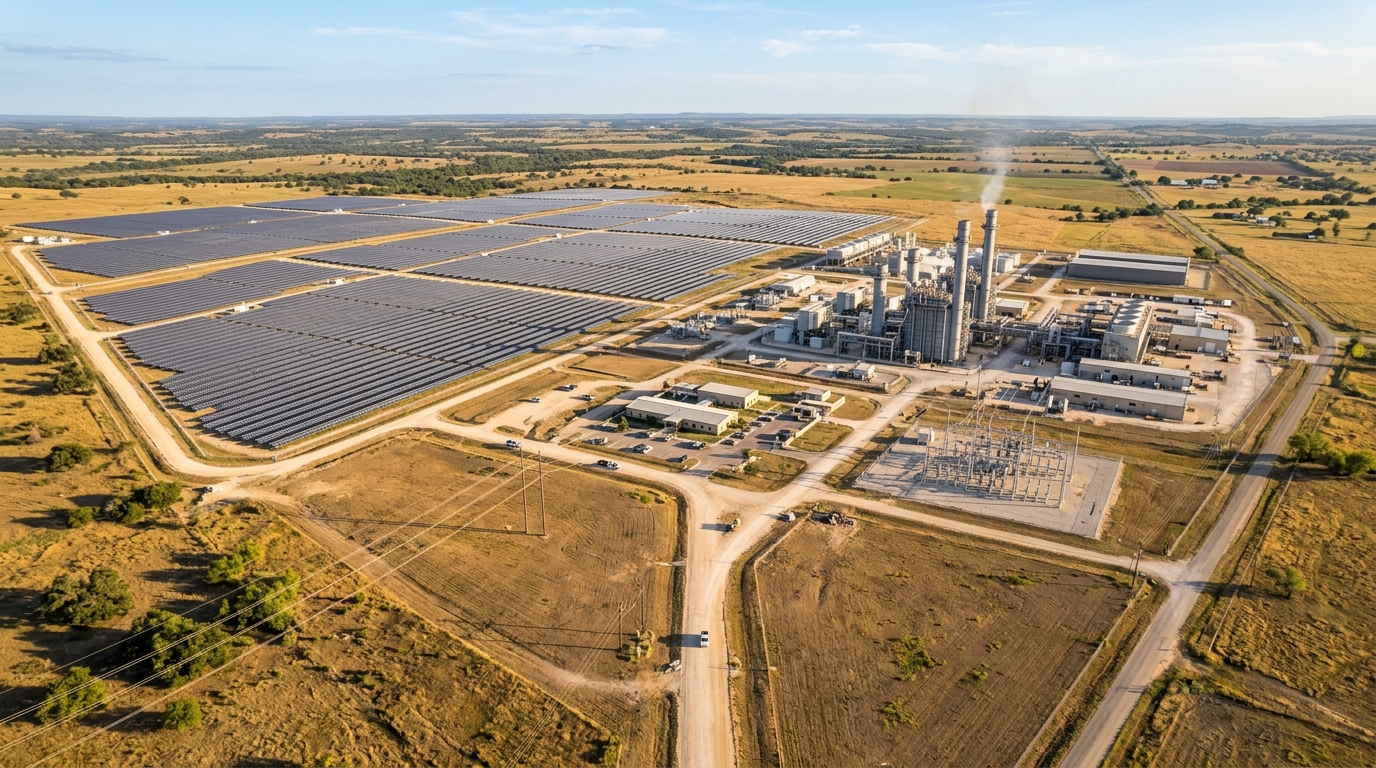
Two world-class data center campuses are being built in Bastrop County, representing over $7 billion in combined investment.
Combined Data Center Corridor Impact
What both projects mean for Bastrop County — at full buildout.
Real-World Impact
What Compute Power Translates To
Here's what the infrastructure inside these buildings actually enables in everyday life.
Healthcare
Faster drug discovery, AI diagnostics that catch diseases earlier, and hyper-personalized medicine.
Education
Personalized AI tutors that adapt to individual learning styles, available 24/7 for free or low cost.
Accessibility
Real-time translation across languages, voice-to-text for the deaf, and image descriptions for the blind.
Productivity
AI assistants draft emails, code, reports, and presentations — saving workers hours every single week.
Science & Climate
Accelerated climate modeling, discovery of new battery materials, and algorithmic efficiency in energy grids.
Entertainment
Flawless content recommendations, AI-generated art, music, gaming assets, and immersive experiences.
Economic Engine
The Community Benefit
Not all development impacts a county equally. Here's the net community benefit math.
1,000-Home Subdivision
- ~1,500 new students to ISD
- Massive daily traffic increase
- High demand on emergency services
- Deep strain on water infrastructure
$1 Billion Data Center
- Minimal new students added to ISD
- Minimal daily car traffic
- Self-contained security & fire systems
- Privately funded infrastructure upgrades
Transforming Local Schools
Data centers inject millions into the local ISD without adding a single student. 100% of the new tax revenue goes toward raising teacher pay, building modern facilities, and upgrading technology.
Emergency Services
The massive commercial tax base provides funds to buy new Fire/EMS equipment and hire the best first responders, keeping response times low without passing costs to residents.
Homeowner Tax Relief
A billion-dollar commercial asset shoulders a massive percentage of the county's total tax burden. Without this commercial buffer, the entire financial weight falls on local families through rising property taxes.
Water & Technology
How Closed-Loop Cooling Works
Modern data centers circulate internal liquid to cool servers without wasting fresh water. Here is the science behind it.
Heat Generated
Servers, GPUs, and networking gear produce intense heat. High-density AI workloads amplify this.
Coolant Absorbs Heat
Liquid coolant flows through pipes attached to servers, absorbing heat directly at the source.
Heat Exchanger
Heated liquid passes through a centralized heat exchanger. Heat is transferred without mixing fluids.
Water Reused
The same water recirculates in a sealed loop. No evaporation. Minimal loss.
Closed-Loop System (Modern)
- ✓ Water is contained and reused continuously
- ✓ Losses are minimal (maintenance-level only)
- ✓ No constant intake of fresh water
Evaporative Cooling (Legacy)
- ✗ Water is consumed continuously
- ✗ Large losses from evaporation
- ✗ Requires constant replenishment
Fact: The total freshwater consumption of all U.S. data centers in 2023 was less than 0.5% of America's total use — roughly 15x less water than we lose to leaky municipal pipes.
Local Opportunity
Career Pathways
High-paying, permanent careers — most do not require a four-year degree. These are jobs for your neighbors, your children, and your community.
Data Center Technician
$55K–$85KMaintain servers, storage arrays, and networking equipment 24/7.
Entry Paths
HVAC / Cooling Specialist
$60K–$95KOperate advanced closed-loop cooling systems for thousands of servers.
Entry Paths
Electrical Technician
$65K–$100KManage power distribution, backup generators, and UPS systems ensuring 99.999% uptime.
Entry Paths
Security Operations
$50K–$80KMonitor physical and cybersecurity systems and manage access control.
Entry Paths
Network Engineer
$80K–$130K+Design and maintain high-speed network infrastructure connecting to the global internet.
Entry Paths
Construction Trades
$45K–$90KElectricians, plumbers, ironworkers, concrete specialists, and heavy equipment operators.
Entry Paths
Myth vs. Reality
Addressing Concerns Honestly
Residents deserve honest, complete information. Let's look at the actual facts behind the rhetoric.
"They'll drain our water supply."
"Only 60 permanent jobs — that's nothing."
"It will cause a housing crisis like Austin."
"The tax abatement is a corporate giveaway."
"Data centers will strain our power grid and raise electricity bills."
"What is an AI data center, anyway?"
"What kind of careers do data centers actually create?"
"How does this benefit my property taxes?"
The Global Context
Northern Virginia was first for data centers. Taiwan dominated chip fabrication. Texas — and Bastrop — is where the next chapter is written. The communities that host this infrastructure today will define the economy of the next 50 years.
Learn More at TomorrowBeginsHere.com